Add Row
Add Element
cropper
update
Home Fix Channel
update
Add Element
  • Home
  • Categories
    • Industry Trends
    • Technology
    • Industry news
    • Consumer Reviews
    • Home Services Tips and Advice
    • Home Improvement scams
    • Home Renovation
    • Home Improvement
July 17.2025
2 Minutes Read

Key Causes of Roof Storm Damage and Effective Homeowner Solutions

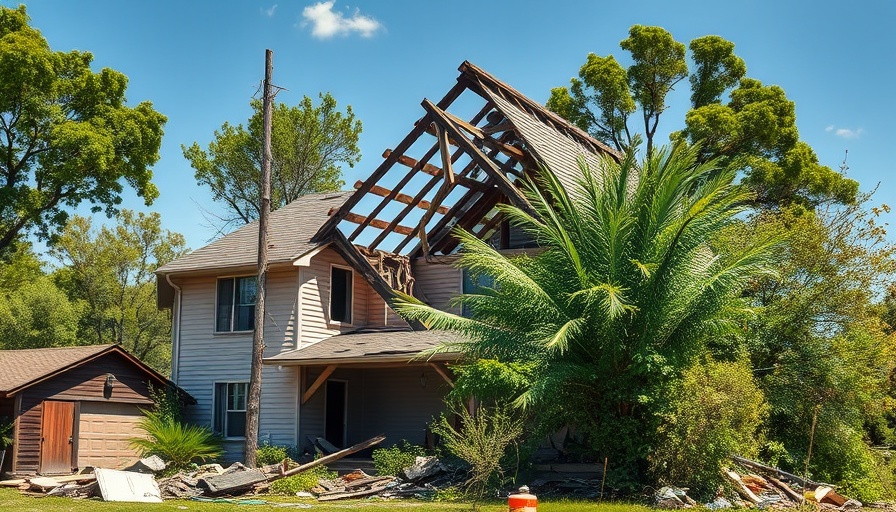
Severe storm damage on house roof in need of repair.

Understanding the Major Causes of Roof Storm Damage

Severe weather events can wreak havoc on our homes, particularly roofs, which bear the brunt of the storm's wrath. Among the leading culprits of roof storm damage are hailstorms, windstorms, and tornadoes. Each type of storm leaves its distinct mark, and it’s crucial for homeowners to recognize these signs to avoid extensive repairs.

1. Hail Damage: What to Look For

After a hefty hailstorm, homeowners often face the daunting task of filing insurance claims for roofing damages. Identifying hail damage is essential; signs include bruised shingles that may eventually lead to holes or cracks. Hail can also dislodge granules from shingles, leaving them vulnerable to water damage. If you notice dents in roof vents, this too can indicate significant hail impact. Ensuring prompt home repairs can prevent costly damages down the line.

2. Windstorms: The Silent Destroyer

Windstorms can be deceptively damaging. High winds can literally rip shingles off the roofing structure, and even those that remain can suffer tears or curls. Curled shingles may not return to their original form and could soon lead to leaks. Homeowners should conduct regular inspections to address potential issues early. Investing in wind-resistant shingles can greatly enhance the durability of your roof and mitigate future risks during storms.

3. Tornadoes: A Whole New Level of Damage

Tornadoes are perhaps the most catastrophic storm event, typically resulting in complete roof replacements. The force of a tornado can strip roofs entirely and send tree limbs crashing down, causing extensive structural damage. If you live in an area prone to tornadoes, being prepared with appropriate roofing solutions and knowing how to react post-storm are vital for protecting your investment.

Homeowner Solutions to Minimize Damage

Considering the frequency and unpredictability of these weather events, homeowners should invest in solutions that offer greater protection. Choosing impact-resistant roofs can drastically reduce your need for repairs and insurance claims. For instance, Class 4 impact-resistant shingles such as GAF Glenwood® and Timberline® AS II have shown remarkable resistance against hail damage, offering homeowners peace of mind.

Wind-Resistant Options for Peace of Mind

Moreover, if you reside in storm-prone regions like the Twin Cities and Western Wisconsin, opting for wind-resistant shingles, such as GAF Timberline® HDZ™, can extend your roof's lifespan. These shingles are uniquely designed to withstand high winds, giving your home greater resilience against severe weather events.

Take Action Before Disaster Strikes

As we navigate an increasingly unpredictable climate, being proactive about storm damage prevention can protect both your home and finances. Regular roof inspections, timely maintenance, and smart material choices are essential steps homeowners should embrace. If you haven’t had your roof checked in a while, now is the time to make that call!

Home Renovation

Write A Comment

*
*
Related Posts All Posts

Key Insights About Contractor License Numbers: Protect Your Home Improvement Investment

Update Understanding the Importance of a Contractor License Number When diving into home improvement projects, verifying a contractor's license number is an essential first step that every homeowner should prioritize. This unique identifier not only proves the contractor’s qualifications but also confirms that they operate legally within your state. Verifying the license typically involves checking state-specific databases maintained by the Department of Labor and Industry, which can be easily accessed online. How to Verify a Contractor's License Before hiring a contractor, it’s critical to ensure they possess a valid license. Most states, like Minnesota and Wisconsin, offer simple online tools to check a contractor’s credentials. For example, Minnesota's Department of Labor and Industry provides a DLI License Lookup tool, while Wisconsin offers similar access through its state website. Utilizing these tools can save homeowners from potential headaches down the line. What the License Doesn’t Guarantee Although a contractor may have a valid license, this does not automatically equate to quality. Just like passing a driving test doesn’t ensure safe driving, a contractor’s license indicates minimum requirements have been met but does not guarantee the quality of work. As detailed in related discussions about contractor performance, it’s essential for homeowners to dig deeper than a simple license verification. Make sure to review the contractor’s past work, read customer reviews, and check for any history of complaints. The Role of Continuing Education To keep their contractor license current, many states require contractors to complete ongoing education courses. These courses ensure that contractors are updated on the latest industry standards and safety regulations, ultimately benefiting consumers. By hiring licensed contractors who engage in continuing education, homeowners are more likely to receive high-quality workmanship and enhance their project’s overall success rate. State-Specific Licensing Insights Licensing requirements vary significantly across states and counties. In states like Florida and Kansas, no state license is needed, while others may mandate licenses for specific types of projects only once they exceed a certain budget. Understanding these regulations not only empowers homeowners but also aids them in finding a qualified contractor who meets both their budget and project requirements. Your Next Steps in Hiring a Contractor As you embark on home improvement projects, remember to always verify your contractor’s license. This action not only protects you as a homeowner but also ensures that the individuals you hire have met the necessary regulations to perform high-quality work. If you are ready to begin your project, take proactive steps today to ensure you’re working with licensed professionals.

Crucial Insurance Questions MN & WI Homeowners Must Ask Today

Update Understanding Your Insurance Coverage for Storm Damage Residents of Minnesota and Wisconsin are no strangers to fierce storms that often wreak havoc on homes. If you've faced storm damage before, or if you're just looking to bolster your peace of mind, understanding your homeowners insurance is crucial. Lately, many homeowners are caught off guard by changes in their insurance policies that leave them feeling vulnerable and financially burdened. To bridge this knowledge gap, here are four essential questions homeowners should pose to their insurance providers. 1. Do I Have RCV or ACV Coverage? The first item on the agenda is understanding whether you have Replacement Cost Value (RCV) or Actual Cost Value (ACV) coverage. RCV pays for repairs or replacements of damaged property as it stands today, without deducting for depreciation. While this ensures you're fully covered, it typically comes with higher premiums. On the other hand, ACV reflects the property's current market value minus depreciation, leading to potentially lower monthly costs, but could leave you liable for a significant out-of-pocket expense when replacing damaged property. 2. What Is My Deductible? It's imperative to inquire about your deductible, as many policies now feature substantially higher deductibles than what homeowners may have encountered a decade ago. For instance, a deductible could easily span from $3,000 to $10,000, depending on your coverage. Being aware of what you’re responsible for paying out-of-pocket when disaster strikes prepares you for the unexpected. 3. What Types of Deductibles Are in My Policy? Homeowners should also clarify the type of deductibles their policy uses. There are flat deductibles, which are fixed amounts (e.g., $2,500), and percentage deductibles tied to the value of your home that can vary based on the type of disaster. Understanding these subtleties can greatly affect your financial readiness in the event of a claim. 4. Am I Aware of Cosmetic Damage Exclusions? Lastly, uncover whether your policy includes a cosmetic damage exclusion. Many homeowners might overlook the fact that insurance companies often do not cover damage that only affects a home’s aesthetic appearance. If you want that kind of coverage, a special endorsement or rider is usually necessary. Protecting your property goes beyond simply patching up functional damage; it also means considering how visual aesthetics can be covered. In conclusion, effective communication with your insurance provider can uncover hidden gaps in your storm damage coverage. With Minnesota and Wisconsin's storm-prone climates, homeowners must act proactively to ensure they are fully protected. For personalized help or to file a claim after storm damage, reach out to a home restoration specialist to learn how they can aid in navigating this complex landscape.

Why Fiberglass Front Doors Are a Smart Choice for Home Improvement Projects

Update Understanding Fiberglass Front Doors: Are They Right for You? As homeowners embark on exterior home improvement projects, choosing the right front door material becomes a pivotal decision that can enhance aesthetics, energy efficiency, and overall property value. Fiberglass front doors have gained popularity largely due to their appealing characteristics that mimic more traditional materials like wood but come with modern advantages. The Bright Side: Advantages of Fiberglass Doors Fiberglass doors are a versatile option, available in numerous styles and finishes, allowing homeowners to boost curb appeal seamlessly. Their manufacturing process bestows them with a unique ability to imitate wood without the extensive upkeep, making them a low-maintenance choice over time. Unlike traditional materials that might warp or rot, fiberglass doors are engineered to resist such issues, offering homeowners a durable solution that stands the test of time. Beyond aesthetics and durability, fiberglass doors excel in energy efficiency. They significantly reduce heat transfer, ensuring your home remains comfortable throughout the year while potentially lowering utility bills. For added security, homeowners can opt for options like double or triple-pane glass and multipoint locking systems, providing peace of mind. Considerations Before Choosing Fiberglass Despite their benefits, fiberglass doors do come with some disadvantages. They usually command a premium price compared to other materials, which can be a deterrent for budget-conscious homeowners. Additionally, proper installation is crucial; these doors cannot be easily trimmed and must be set up correctly to prevent air or water infiltration. Therefore, enlisting experienced contractors for installation is essential for ensuring long-term performance. Conclusion: Enhancing Your Home's Appeal and Value When considering replacing your front door, fiberglass doors present a compelling choice reflecting both style and functionality. However, weighing their advantages against the potential costs and installation challenges is vital to making an informed decision. For anyone in the home improvement industry, understanding these details can inform better service offerings and customer guidance. As we move forward in the home improvement sector, staying educated on materials like fiberglass, and their market trends can lead to better decisions, whether you’re an owner-operator or working behind the scenes in marketing. Explore the latest options and help your clients make choices that enhance their living spaces.

Terms of Service

Privacy Policy

Core Modal Title

Sorry, no results found

You Might Find These Articles Interesting

T
Please Check Your Email
We Will Be Following Up Shortly
*
*
*